

Home Drainage Engineering Planning: The "Invisible Defense Line" for Home Comfort and Safety
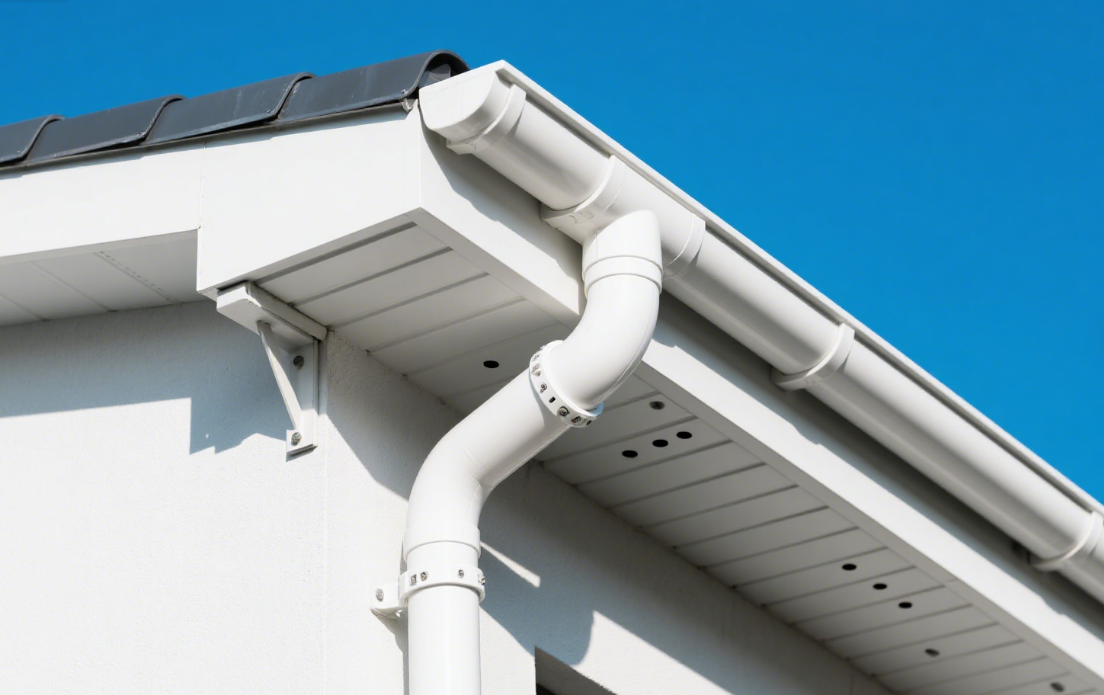
In home decoration, people often focus on "visible" elements like wall colors or furniture, overlooking the drainage system—a hidden yet critical part. In fact, home drainage planning is far more than pipe-laying; it impacts daily water convenience, property safety, family health, and long-term house value. A scientific plan prevents water backflow, seepage, and odors, building a solid "invisible defense" for home life.
I. Ensuring Daily Water Convenience
The drainage system connects the kitchen, bathroom, and balcony, and poor planning causes frequent troubles: slow kitchen sink drainage, bathroom floor drain backflow, or washing machine water overflow. These small issues escalate into major nuisances—stagnant kitchen sewage breeds bacteria and smells, while bathroom waterlogging risks slips for the elderly and kids.
A good plan adapts to each area: the kitchen reserves drainage ports for dishwashers and uses large-diameter pipes to avoid blockages; the bathroom adopts "multiple drains + slope guidance" for quick water removal. One homeowner ignored this, installing only one bathroom drain—post-shower water took an hour to dry. Later renovation cost 3,000 yuan and damaged tiles, proving early planning avoids hassle and extra costs.
II. Safeguarding Property Safety
Improper planning leads to seepage and leakage, damaging floors, walls, furniture, and even neighbors’ property. Bathroom pipes with poor anti-seepage treatment cause moldy walls and warped floors; blocked balcony drains let rainwater soak cabinets and appliances.
Worse, undetected seepage harms downstairs residents—ceiling leaks, damp walls, and damaged furniture spark disputes. One homeowner skipped pipe pressure tests; a broken pipe six months later soaked the downstairs living room, costing 30,000 yuan in compensation and 15,000 yuan for self-renovation. In contrast, quality materials, sealed pipe joints, and inspection ports reduce such risks.
III. Protecting Family Health
A bad drainage system becomes a "hotbed" for bacteria and mosquitoes. Blocked kitchen pipes trap food residues, breeding E. coli and mold; bathroom drains without deodorant designs or water traps let harmful gases (like hydrogen sulfide) enter, causing respiratory or stomach issues.
This risks are worse for the elderly, kids, or allergy sufferers—damp floors trigger children’s skin fungi, and sewer odors worsen seniors’ asthma. A scientific plan fixes this: kitchen food waste disposers reduce blockages; bathroom drains use "water seal + deodorant core"; balcony drains add filters to prevent mosquito breeding. These small steps build a healthy environment.
IV. Maintaining House Value
Drainage quality affects long-term house value. For occupied homes, it slows aging by preventing seepage-related wall corrosion. For second-hand houses, good drainage boosts buyer interest—real estate data shows such houses sell 20% faster and 5% higher on average. With "healthy housing" trends rising, drainage planning becomes a key livability indicator.
Conclusion
Home drainage planning seems a "detail," but it’s vital for comfort, safety, and value. Whether decorating a new home or renovating an old one, communicate with designers, choose quality materials, and standardize construction. Only then can the drainage system truly guard home life, creating a comfortable, safe, and healthy space.